Bass Lures vs. Homemade Options — Which Should You Choose?
Discover the most effective Methods for Selecting Bass Lures for Your Next Fishing Trip
Choosing the best bass Lures can significantly impact angling success. Fishermens have to consider numerous variables, such as seasonal patterns and water quality. Recognizing bass actions is essential (Best Bass Lures). Selecting Lures that mimic all-natural victim can bring about far better results. Yet, lots of are not sure about the most effective methods to carry out. What methods should one focus on to boost their angling experience? The responses copyright on checking out certain conditions and adapting accordingly
Recognizing Bass Habits and Habitat
Recognizing the subtleties of bass actions and habitat is crucial for any angler intending to enhance their fishing success. Bass are commonly discovered in different settings, including lakes, reservoirs, and rivers, where they look for structure such as submerged rocks, vegetation, and fallen trees. Their habits is greatly affected by water temperature, light levels, and readily available forage.
Throughout warmer months, bass tend to be much more energetic, often inhabiting shallower waters, while in chillier months, they pull away to much deeper locations. Additionally, bass exhibit patterns of feeding, often being more hostile during dawn and dusk. They are opportunistic predators, exploiting smaller sized fish, bugs, and crustaceans. Comprehending these aspects can assist anglers recognize prime angling areas, as well as the finest times to fish. Identifying bass habits in connection with their habitat is critical for successful fishing, leading anglers in making educated choices regarding where to cast their lines.
Matching Lures to Seasonal Issues
As fishermens adjust their methods to altering periods, matching Lures to seasonal conditions comes to be a crucial approach for enhancing angling success. In springtime, when bass are emerging from winter months dormancy, anglers frequently utilize spinnerbaits and shallow-running crankbaits to simulate the movements of victim. Summer season demands a shift to topwater Lures or soft plastic worms, as bass look for color and cooler waters. Throughout the loss, when bass are fattening up prior to wintertime, bigger Lures that mimic baitfish can be effective. Wintertime calls for a much more refined approach; jigs and slow-moving skill baits typically generate better outcomes as bass end up being tired. Understanding these seasonal patterns assists anglers pick the ideal lures, consequently boosting their possibilities of an effective catch. By straightening appeal selections with the all-natural actions of bass throughout the year, fishermens can maximize their fishing experience and improve their overall success on the water.
The Importance of Color Selection
Shade option plays a vital role in bass angling, as it can considerably influence a fisher's success. Elements such as water clarity, seasonal modifications, and the specific preferences of different bass species all affect which shades are most efficient. Understanding these aspects allows anglers to make educated options that enhance their fishing experience.
Water Clarity Factors To Consider
When the water clearness varies, picking the appropriate bass lure color becomes crucial for attracting fish. In clear water, all-natural shades such as shad or bluegill patterns often tend to be more reliable, as they mimic the prey bass are accustomed to seeing. Conversely, in murky or discolored water, brighter shades like chartreuse or fire tiger can boost presence, making it less complicated for bass to find the attraction. The contrast in between the attraction and the surrounding atmosphere plays a considerable role in angling success. Anglers should also take into consideration the time of day; lighter colors may work better in intense sunshine, while darker hues can be extra reliable during low-light problems. Adapting attraction shade to water clearness maximizes the chances of a successful catch.
Seasonal Color Scheme
How do seasonal changes influence bass actions and lure efficiency? As temperatures shift throughout the year, bass readjust their feeding practices and chosen habitats, making color selection important for successful fishing. In springtime, when bass spawn, intense colors like chartreuse can attract interest. Summertime months often require even more natural colors, such as green pumpkin or shad patterns, as bass look for to assimilate with their environments. Throughout loss, vibrant shades like orange and red simulate the changing foliage, tempting bass as they get ready for winter months. In winter, subdued tones such as gray or white might be a lot more reliable, as bass become lethargic. Ultimately, understanding seasonal color scheme allows fishermens to pick Lures that reverberate with bass's current behavior, boosting their chances of success.
Species-Specific Preferences
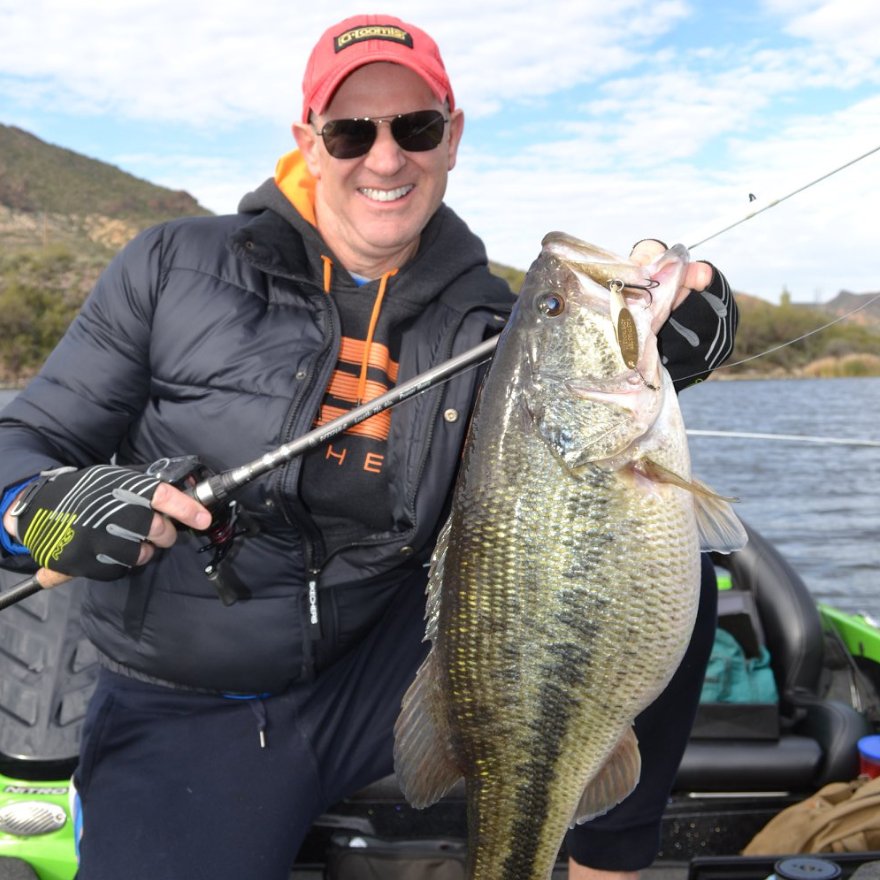
Recognizing species-specific preferences is crucial for anglers aiming to enhance their attraction choice. Various bass species, such as largemouth and smallmouth, show unique shade preferences based upon their environment and feeding habits. Largemouth bass often prefer darker colors, specifically in murky waters, where colors like dark and black green mimic natural target. In contrast, smallmouth bass are much more likely to reply to brighter colors, such as chartreuse and orange, particularly in clear waters. Furthermore, water clarity and light conditions can influence these choices, making it necessary for anglers to adapt their attraction shade appropriately. By thinking about these species-specific choices, anglers can enhance their possibilities of a successful angling trip, inevitably enhancing their overall experience on the water.
Selecting the Right Lure Type for Various Scenarios
Choosing the suitable lure type for different angling scenarios is vital for success on the water. Fishermens should consider variables such as water clearness, weather problems, and the bass's feeding practices. For murky water, darker-colored appeals, such as jigs or spinnerbaits, can be efficient, as advice they create a solid silhouette. In clear water, natural-colored Lures like soft plastics or topwater lures may entice careful bass.
When fishing in heavy cover, using heavy jigs or weedless gears can help navigate through barriers without getting. Alternatively, open water circumstances may take advantage of crankbaits or swimbaits that can cover higher ranges. Furthermore, during cooler months, slower-moving Lures tend to be extra reliable, while warmer conditions may call for faster retrieves. By adjusting lure selections to certain environments, anglers increase their chances of a successful catch.
Trying out Dimension and Action
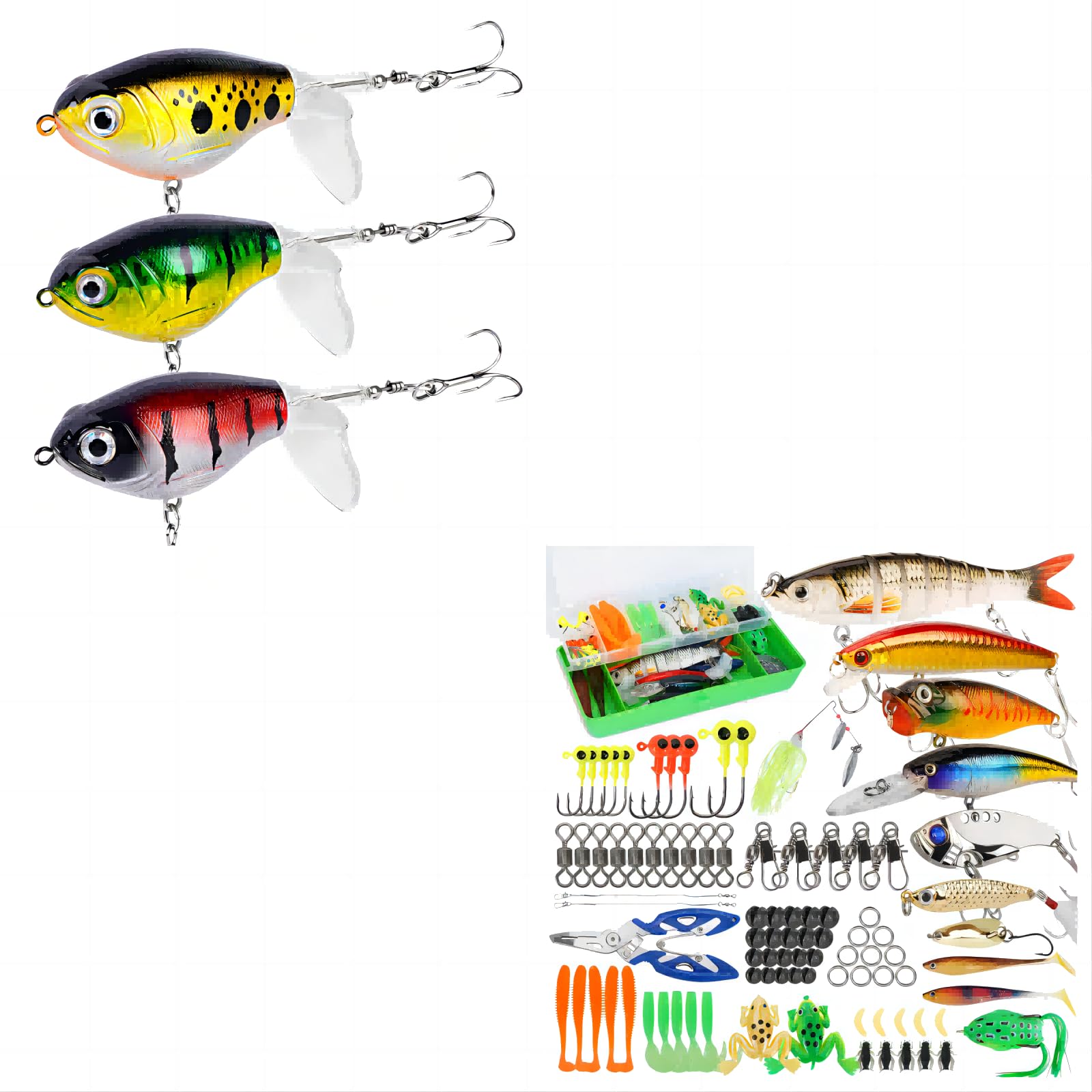
Anglers commonly trying out a variety of dimensions and actions to identify what works best under varying problems. A sluggish, subtle activity may be perfect in cooler water, while a quick, aggressive retrieve can be much more effective in warmer temperature levels. By thoroughly observing the bass's reactions to these variants, fishermens can improve their technique and increase their opportunities of a successful catch. Eventually, the ideal mix of dimension and action can make a considerable distinction on the water.
Reading Water Conditions for Better Entice Selections
Recognizing water problems is crucial for choosing the appropriate bass attraction. Aspects such as water quality and temperature level can dramatically influence fish actions and feeding patterns. By assessing these conditions, anglers can make enlightened decisions that boost their possibilities of an effective catch.
Assessing Water Clarity
Exactly how does water quality influence the effectiveness of bass lures? Water quality considerably impacts bass behavior and the visibility of appeals. In clear water, bass have a tendency to be a lot more mindful, making natural-colored Lures more effective as they resemble prey carefully. Fishermens may pick lighter, subtler shades to prevent startling fish. Alternatively, in dirty great site or tarnished water, brighter and more dynamic colors stand out, bring in interest even in low visibility problems. Furthermore, the kind of attraction can differ; slower-moving Lures may function better in clear water, while faster, much more aggressive presentations can tempt bass in murkier atmospheres. Comprehending the clearness of the water enables anglers to choose Lures that optimize their possibilities of success throughout their fishing expedition.
Comprehending Water Temperature Level
As water temperature changes, it directly influences bass behavior and their feeding patterns, making it critical for fishermens to think about when selecting lures. Usually, bass prefer warmer temperatures, generally in between 65 ° F and 75 ° F, where their metabolism is enhanced, leading to increased feeding activity. In cooler water, bass end up being tired and may choose slower-moving appeals, such as jigs or soft plastics. Alternatively, during warmer months, faster presentations like crankbaits or topwater Lures can be much more efficient. Anglers ought to also think about seasonal modifications; for copyrightple, spring warming leads to hostile feeding as bass prepare to spawn. By recognizing exactly how temperature influences bass, anglers can make enlightened decisions on lure option, significantly enhancing their opportunities of success.
Tips for Organizing and Preserving Your Tempt Collection
While many anglers concentrate on selecting the appropriate Lures for their following fishing expedition, arranging and preserving an appeal collection is similarly important for boosting performance and performance. A well-structured collection allows anglers to promptly locate the Lures they need, decreasing time spent rummaging with take on boxes.
To begin, fishermens should categorize Lures by kind-- crankbaits, jigs, or soft plastics-- making it simpler to locate particular choices. Using take on trays or boxes with flexible compartments can aid keep every little thing arranged. Classifying containers streamlines the process further, helping fast recognition.
Normal upkeep is additionally critical; fishermens need to inspect Lures for indicators of wear, such as rusted hooks or harmed paint, and replace them as essential. Cleaning up Lures after each journey avoids damage and ensures long life. By carrying out these organizational and maintenance approaches, anglers can enhance their fishing experience and ensure their Lures are always in ideal condition.
Frequently Asked Inquiries
What Are the very best Brands for Bass Lures?
The most effective brand names for bass Lures consist of Rapala, Strike King, and Berkley. These brand names are renowned for their effectiveness, technology, and quality, appealing to both beginner and knowledgeable anglers seeking successful angling experiences.
The Amount Of Lures Should I Handle a Trip?
A typical fishing expedition ought to consist of around five to ten lures, permitting for versatility while staying clear of clutter. This selection ought to include various kinds and shades to adapt to changing conditions and fish preferences.
Can I Make My Very Own Bass Lures?
Yes, individuals can make their very own bass Lures utilizing different products and methods - Best Bass Fishing Lures. Crafting Lures enables customization, enabling anglers to try out dimensions, forms, and colors to match certain fishing conditions and choices
What's the Ordinary Life Expectancy of a Bass Lure?
The ordinary lifespan of a bass lure differs, normally lasting from a couple of months to a number of years, depending on worldly high quality, use regularity, and environmental problems. Proper care can substantially extend an attraction's use.
Are There Particular Lures for Evening Angling?
Yes, there specify Lures made for night fishing. Dark shades and Lures that generate resonances, such as spinnerbaits or jigs, often bring in bass in low-light conditions, enhancing visibility and causing predatory instincts.
Conversely, in murky or discolored water, brighter colors like chartreuse or fire tiger can improve exposure, making it simpler for bass to detect the lure. Bigger Lures can bring in larger bass, while smaller sized Lures might be a lot more efficient for capturing smaller fish. In addition, the kind of lure can vary; slower-moving Lures might function much better in clear water, while faster, extra hostile presentations can tempt bass in murkier settings. As water temperature varies, it straight affects bass habits and their feeding patterns, making it important for anglers to take into consideration when picking appeals. While numerous anglers focus on choosing the best Lures for their next angling journey, arranging and maintaining a lure collection is just as crucial for improving effectiveness and efficiency.